Healthcare: A Major Roadblock on India's Path to Becoming a Global Superpower
India is poised to become the third-largest economy in the world and is performing exceptionally well. However, one sector holding it back is healthcare, which has many drawbacks. A significant overhaul is necessary to revamp it. Having undergone ACL surgery a couple of months ago, I will highlight the perspective of patients about to undergo surgery.
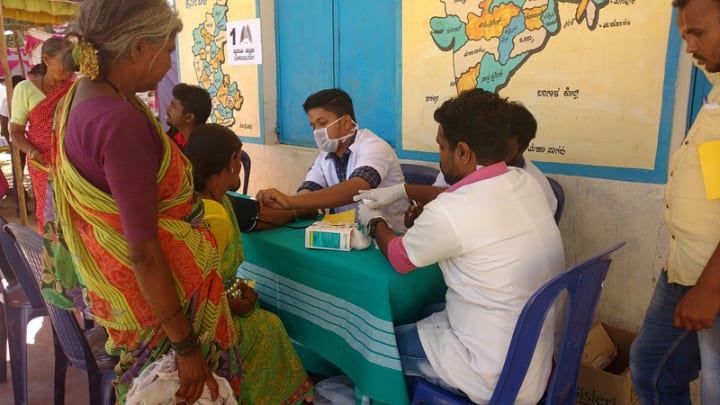
I would divide it into three phases: pre-hospitalization, hospitalization phase, and post-hospitalization phase. The major issue in pre-hospitalization is finding all the necessary components from different sources, akin to solving a jigsaw puzzle. Right from searching for the right diagnostic center at an affordable price to finding the right surgeon to perform the procedure, the entire process is very tedious.
Adding to the woes of the lower-middle class, the majority of good surgeons at government hospitals are preoccupied, and the expected date they provide for the procedure is months away, exacerbating the injury.
Now, coming to the hospitalization phase, many hospitals attempt to prolong your stay to inflate the bill at the end. Furthermore, there is a significant difference in rates between the normal rates and the rates for those with insurance. The primary goal seems to be to deplete the patient's financial resources.
During hospitalization, patients face immense stress, both mentally and physically, to the extent that even blood pressure and heart rate readings soar. This stress stems from all the factors listed above and also from the conditions of accommodation, akin to hostel rooms. The lower-middle-class individuals are further disappointed to find that the schemes run by the government are merely for the sake of garnering votes.
The post-hospitalization phase mainly comprises rehabilitation and recovery. Most people are unaware that this phase is more critical than the surgery itself, and therefore tend to neglect it. The search for a good physiotherapist is a tedious process, as the rates are exorbitant for the service, especially for home services. A similar situation exists with palliative care, where many people cannot afford the necessary services.
Though the problem is severe, it can be solved using a strategic approach:
Pre-hospitalization phase: A single application should be developed, akin to the ONDC network, wherein patients can search for the right diagnostic center, find the best available doctors, and schedule the surgery in the hospital. An indigenous online patient community should be established on the same portal, wherein patients create their profiles and upload details such as doctor information, costs, post-rehabilitation, medicines, and other relevant information. New patients can search and review patient stories and doctor feedback aggregated from all these sources. This will save future patients time and money, helping them make informed decisions effectively.
Hospitalization phase: Prices for procedures should be standardized regardless of whether the patient has insurance or not. Room assignments should be based on the patient's condition, irrespective of the room category. If a patient is fit enough to leave, they should not be encouraged to stay for extra days. Unnecessary medication and care should be avoided. Stress-relieving devices like VR headsets should be provided to reduce patient anxiety and aid in faster recovery.




Comments
Post a Comment